2026-11-17 10:45:48
After mechanical harvesting, round cotton modules need to be stored properly before they are transported to a cotton gin. Although plastic wrapping helps protect the harvested cotton, poor storage conditions or damaged wrapping can still expose modules to rain, moisture, soil, and other contaminants.
For cotton growers and farm operators, proper round cotton module storage helps protect cotton quality, reduce handling losses, and prepare harvested cotton for transportation and ginning.
Here are the key practices to follow after harvesting.
The storage site is one of the first factors to consider.
Round cotton modules should be placed on firm, level, well-drained ground. Avoid low-lying areas where rainwater can collect or soft soil where transport vehicles may have difficulty accessing the modules.
A suitable storage area should have:
Good drainage to prevent standing water
Firm ground that can support heavy modules and handling equipment
Enough space for loading and transportation
A clean surface without sharp objects, crop residue, or other materials that could damage the wrapping
Avoid placing modules directly on cotton stalks or sharp plant debris. These materials can puncture or tear the plastic wrap when modules are moved.
The storage area should also be accessible to module handlers and transport trucks, especially when several modules need to be collected during a short period.
Moisture is one of the main risks during cotton module storage.
Excess moisture inside a module can encourage heating, affect fiber quality, and create conditions for mold or other deterioration. Cotton harvested at excessive moisture levels may also require additional attention before ginning.
For plastic-wrapped round modules, check that the wrapping is intact and that the module was formed under suitable harvesting conditions.
Research published in the Journal of Cotton Science monitored plastic-wrapped round modules across multiple locations and seasons. The modules in the study had initial seed cotton moisture contents below 12%, consistent with the recommended practice discussed by the researchers. This is a useful reference, not a universal threshold for every cotton-growing region. Follow local harvesting and ginning recommendations.
Where moisture-related heating is a concern, monitor module temperatures during the first several days of storage. A noticeable and continued temperature increase should be investigated promptly. Follow local gin or extension-service guidance on temperature thresholds and whether a module needs priority ginning.
For additional information about moisture during harvesting, see our guide to how wet conditions affect cotton picker performance.
Plastic wrapping protects round cotton modules from direct exposure to rain, dirt, and other contaminants. However, its protective function depends on the condition of the wrapping.
Inspect each module after harvesting and again before transportation.
Pay attention to:
Tears or punctures caused by sharp stalks or equipment
Loose or damaged wrapping around the ends
Areas where the film has become detached
Damage caused during loading or movement
Small areas of damage should be repaired promptly using compatible module-wrap repair materials recommended by the wrap manufacturer.
Do not use unsuitable materials that may introduce foreign substances into the cotton. Plastic contamination can create problems during ginning and reduce the value of the finished cotton.
If a module has significant damage or has become wet, assess its condition and contact the receiving gin for handling instructions before long-term storage or transportation.
The way round cotton modules are arranged also affects storage and handling.
Avoid placing modules tightly together without considering ventilation, loading access, and the risk of wrap damage.
Agricultural handling guidance commonly recommends leaving a small gap between adjacent modules. For example, Texas A&M's cotton storage and handling guidance describes spacing of approximately 4–8 inches in certain staging and transport arrangements.
Proper spacing can help:
Reduce direct contact between module ends
Lower the risk of wrapping damage during handling
Improve access for inspection and loading
Support airflow between modules
The exact arrangement should match the local module transport system. Follow the requirements of the transport operator and receiving gin rather than applying one spacing rule to every storage layout.
Round cotton modules are heavy and require suitable handling equipment.
Using the wrong equipment or moving modules carelessly can damage the wrapping, deform the module, or cause cotton loss.
Good handling practices include:
Use suitable module forks, clamps, or handling attachments.
Lift modules instead of dragging them across the ground.
Avoid contact with sharp objects and harvested cotton stalks.
Do not apply excessive pressure that could deform the module or damage its wrapping.
Check the module after loading and unloading.
Operators should also follow the equipment manufacturer's instructions for lifting capacity, attachment positioning, and safe operating procedures.
Careful handling is particularly important when modules need to be moved several times between the field, temporary storage area, and cotton gin.
Before sending modules to a cotton gin, check their condition and confirm that the transport arrangement is suitable.
A pre-transport inspection should include:
Check whether the wrapping is intact.
Look for signs of moisture, contamination, or unusual heating.
Confirm that modules are accessible to loading equipment.
Check that the modules are arranged according to the transport operator's requirements.
Record the harvest date, field location, and any storage issues.
Keeping basic records helps farm operators and gins trace cotton from individual fields and identify possible quality issues.
If a module has damaged wrapping, visible contamination, or signs of excessive moisture, address the problem before transportation whenever possible.
Storage management starts during harvesting.
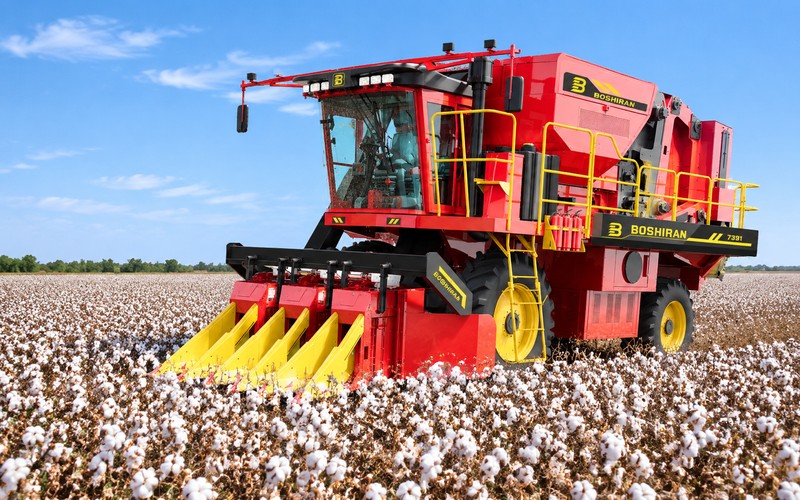
A round-bale cotton picker integrates cotton picking and baling into the harvesting process. The machine forms cotton into modules and wraps them before discharge, reducing the need for some separate module-building and wrapping operations.
For large-scale farms, this integrated process can simplify the movement of harvested cotton from the field to temporary storage and transportation.
However, the final storage result still depends on proper module formation, wrapping quality, field placement, and careful handling.
Boshiran offers different round-bale cotton picker configurations, including three-row and six-row models. The Boshiran 6-row cotton picker with baler is designed for large-scale field operations, integrating cotton picking, conveying, chamber storage, baling, and automatic discharge.
Farm operators can also explore the full range of Boshiran cotton pickers to compare different harvesting configurations.
Proper storage is the final part of the mechanical cotton harvesting process. Choosing a suitable site, protecting the wrapping, controlling moisture, and handling modules carefully all help preserve harvested cotton quality before ginning.
Related Products
Discover Our Comprehensive Range of Large Agricultural Machinery Categories